Hosted By
Last month Atlantic ran a hit piece on President Trump that was notable, even by today's low standards of journalistic practice, for its invisible sourcing.
It remains news because it typifies the realities of our increasingly fact-free media environment.
"It's based on four anonymous sources and has in addition the strange sideshow of other media outlets 'confirming' the anonymous sources" says my guest, veteran journalist Brian McNicoll.
"It's a classic illustration of how to do bad journalism that destroys the credibility of journalists," emphasizes Mark Tapscott, a member of the Freedom of Information Act Hall of Fame.
Join me in a clarifying conversation about how the standards of what's called journalism have eroded over the years.
How today's reporting compares to the Watergate story.
How the distinctions between "opinion" and "news" have become fainter and fainter.
Why the Society for Professional Journalists no longer plays the role of trusted guardian.
And more.
As Brian McNicoll concludes, "There's a reason why only about 12% of Americans trust what the media says."

The Federal Bureau of Investigation is proceeding with plans to build a new headquarters which would be twice the size of the The Pentagon,...

A slew of financial crises that stretch all the way back to the banking Panic of 1907 have been exploited to justify erecting a...
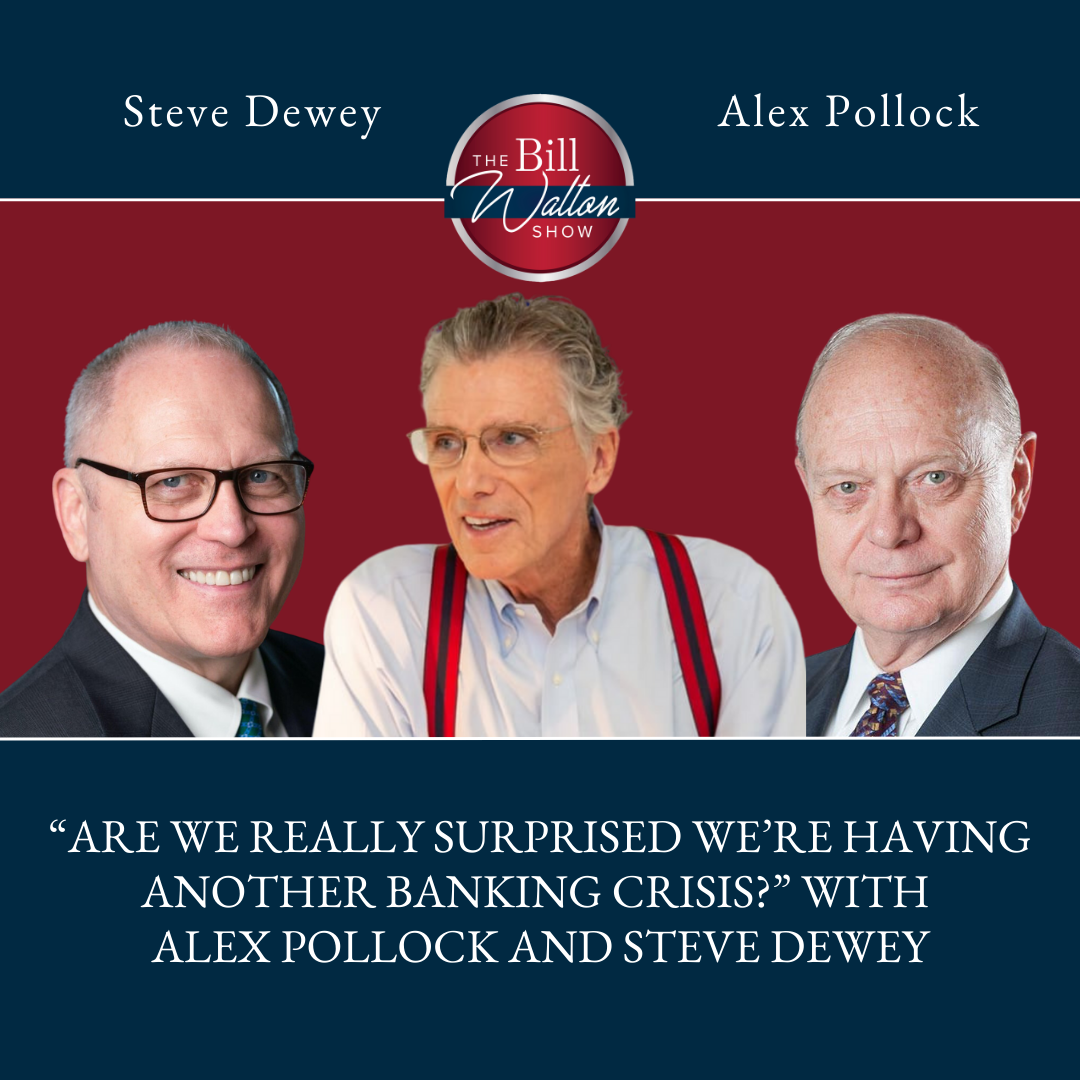
It looks like the bill is finally coming due after decades of reckless monetary policy and out of control federal spending. After 40 years...